
A client needed to translate a complete work of fiction from Swedish to German – quickly, cost-effectively, and without compromising on language quality. We built a structured AI pipeline and delivered a complete translation, ready for publication.
The Brief
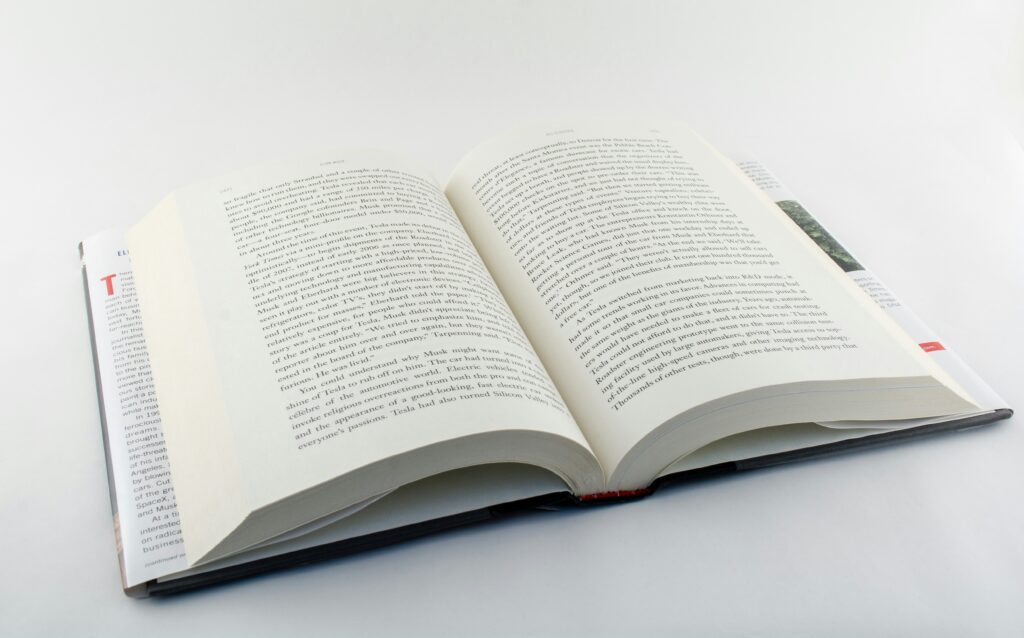
The brief was clear: take a full manuscript of several hundred pages from Swedish to German, with consistent tone and language throughout. A traditional translation process would have meant long lead times and a cost that was hard to justify – especially for a smaller publisher.
The challenge: logistics and quality at scale
Translating an entire book is about more than language. It’s a question of version control, consistency, and quality assurance across hundreds of pages of text.
- The volume was too large to handle in standard AI chat tools
- Manually splitting text risks losing context and structure along the way
- Quality can vary significantly when too much material is handled in the same flow
- Traditional full translation would have taken too long and cost too much
The solution: a structured AI pipeline
Instead of working through a chat interface, we built a dedicated process directly against the AI engine. The text was handled in clear, logical segments – each section reviewed and quality-checked before moving to the next. The result was a controlled, traceable workflow without losing the overall coherence of the manuscript.
- Text divided into manageable segments with maintained context throughout
- Consistent terminology and tone across the entire manuscript
- Ongoing quality assurance and version control at every step
- Final assembly into a complete, publication-ready manuscript
The results
- Complete German translation of a several-hundred-page manuscript
- Ready for publication with only minor editorial adjustments
- Significantly shorter lead time than traditional translation
- Dramatically reduced cost compared to professional full translation
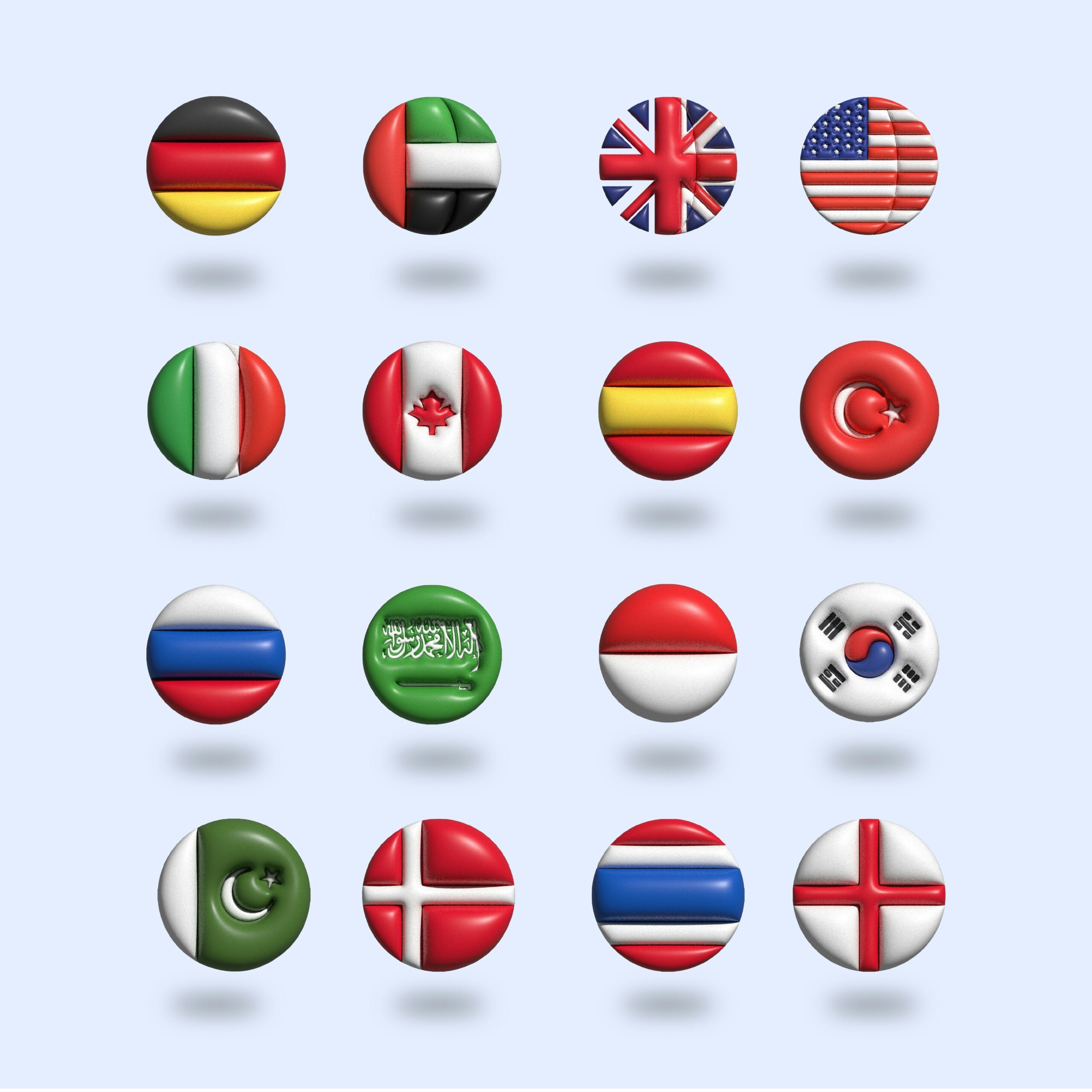
- A new country and a new market reached – without major financial risk
From manuscript to market
The end result was a complete German translation with consistent tone and language throughout. What would normally have taken months was completed in a fraction of the time – at a cost that was actually justifiable.
For the client, it meant more than a finished translation. It meant access to an entirely new market.
When is this the right fit?
AI-driven translation through a structured pipeline works particularly well for:
- Books, manuals, and training materials at high volume
- Independent authors and smaller publishers looking to reach new markets
- Organisations with documentation that needs ongoing translation
- Anyone who needs consistent quality without the traditional price tag
Want to reach a new market without the financial risk?
We’d love to tell you more about how a structured AI translation process could work for your content.